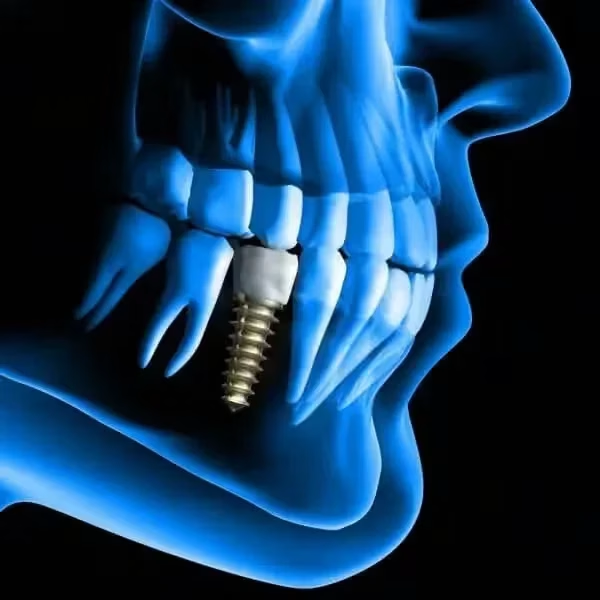
The Role of Neuromuscular Dentistry in Treating Jaw Disorders
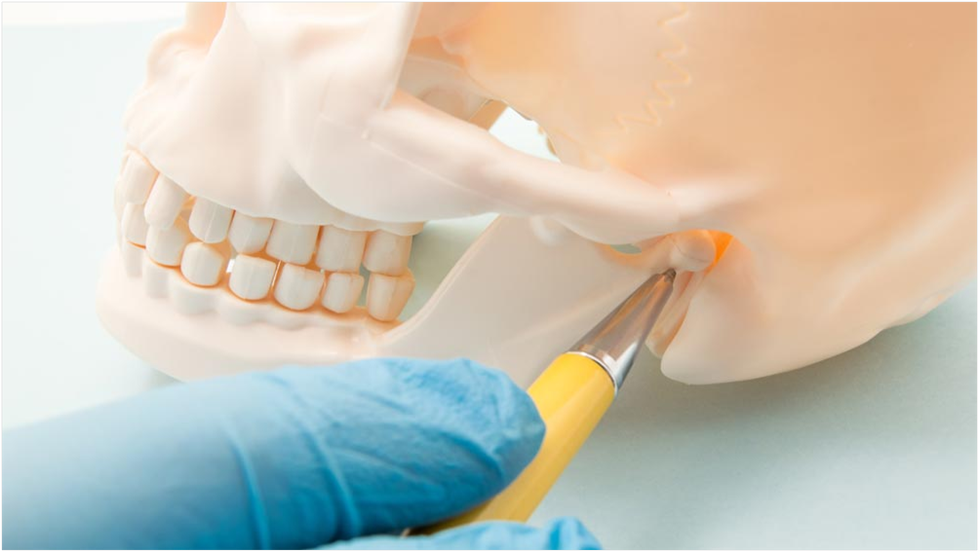
The Role of Neuromuscular Dentistry in Treating Jaw Disorders
Jaw pain doesn’t just hurt; it steals your mornings, interrupts meals, and adds a low-grade anxiety to everyday life. When people come to us at Le Denté, they want two things: an explanation that makes sense and a plan that actually helps.
General Dentistry forms the foundation of understanding jaw pain because teeth, muscles, joints, and nerves function as one connected system rather than isolated parts.
Jaw-related pain is rarely random. It develops from how the jaw closes, how muscles compensate, and how the nervous system adapts over time. Advanced diagnostic protocols help identify whether the issue is muscular, joint-based, or influenced by airway and breathing patterns.
Jaw Anatomy and the Root Cause of Chronic Jaw Pain
The temporomandibular joint is a complex sliding and hinging joint supported by a delicate disc and controlled by powerful chewing muscles. Pain begins when harmony is lost between movement, muscle balance, and tooth contact.
- Overactive jaw muscles caused by stress or clenching
- Disc displacement leading to clicking or locking
- Degenerative joint surface changes
- Bite imbalance affecting head and neck posture
- Nervous system sensitization that prolongs pain
Understanding which component is responsible is critical, as each demands a different treatment strategy.
Digital Evaluation of Jaw Function and Smile Planning
Modern jaw evaluation relies on precise diagnostics rather than visual guesswork.
Digital Smile Design allows clinicians to study jaw movement, muscle balance, and facial harmony together, ensuring functional stability before any aesthetic or restorative decision.
Functional Assessment Beyond Teeth Alone
A balanced jaw position reduces strain on muscles and joints. By evaluating movement patterns and muscle behavior, clinicians can identify positions that feel naturally comfortable and sustainable.
Non-Surgical Management of Jaw Pain
Jaw pain treatment should always begin conservatively, focusing on reversible solutions that allow the body to adapt safely.
- Postural and habit correction to reduce clenching and overload
- Muscle relaxation and physical therapy to restore movement
- Custom oral appliances to stabilize the jaw
- Targeted muscle retraining for long-term balance
- Permanent dental work only after stability is proven
Jaw Development, Airway, and Breathing Considerations
Jaw position directly influences airway space and breathing efficiency. In patients with disrupted sleep or breathing patterns,
Sleep Apnea assessment becomes an important part of jaw pain management, as restricted airflow often increases nighttime clenching and muscle fatigue.
Oral Appliance Therapy for Jaw Support
In selected cases, structured appliance therapy such as the
DNA Appliance is used to support jaw development, improve airway volume, and reduce muscular strain before considering permanent dental changes.
Myofunctional Therapy and Muscle Balance
Jaw pain is often influenced by how oral muscles behave at rest and during function.
Myobrace Treatment focuses on correcting dysfunctional muscle patterns that contribute to jaw instability, especially in growing patients and young adults.
Early Intervention and Pediatric Jaw Health
Many adult jaw issues begin in childhood.
Children Dentistry plays a vital role in identifying early jaw growth issues, tongue posture problems, and bite irregularities before they develop into chronic pain conditions.
Tongue Function and Jaw Stability
Restricted tongue movement can affect jaw growth, breathing, and facial balance. In appropriate cases,
Tongue Tie Release may be recommended to restore natural tongue motion and reduce compensatory jaw stress.
Expected Outcomes from Conservative Jaw Care
When diagnosis and treatment align correctly, patients often experience reduced facial pain, fewer headaches, smoother jaw movement, and improved chewing comfort. Long-term success depends on consistency, appliance compliance, and addressing contributing lifestyle factors.
Final Thoughts on Treating Jaw Pain Safely
Jaw pain should never be rushed into irreversible solutions. A structured, measured approach that respects muscle behavior, joint health, and airway balance offers the best chance for lasting relief without unnecessary intervention.