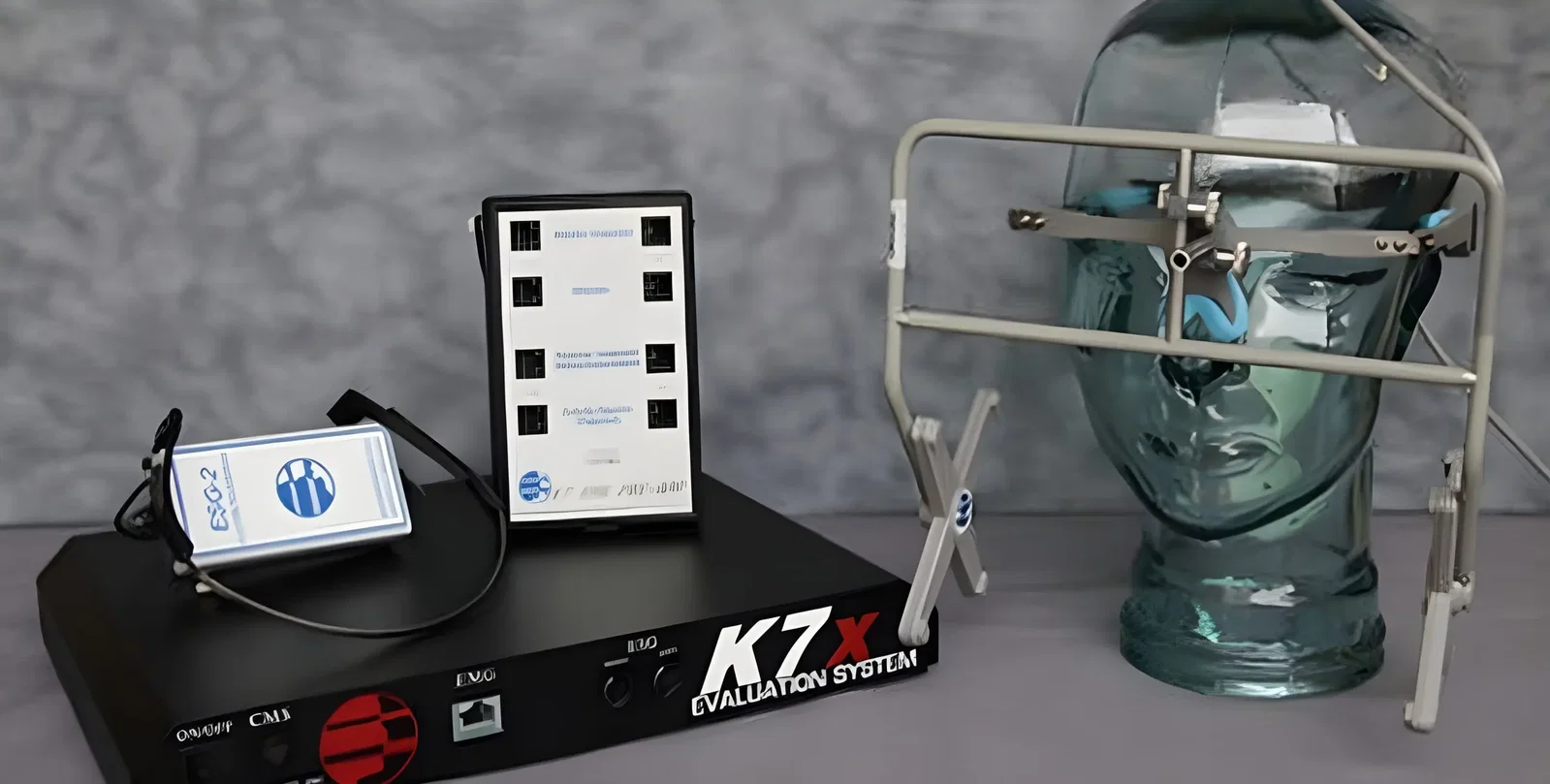
Sometimes jaw pain, clicking sounds, headaches, facial tension and an uncomfortable bite can be linked to how the jaw muscles, joints and teeth work together. K7 or Kinesiography Evaluation System makes it possible for dentists to study these functions through measurable data.
K7 at Le Denté assists in evaluating jaw movement, muscle activity and bite function. The technology assists Dr. Rashida Juzar Ali in evaluating patients who present to the clinic with TMD, jaw pain, bite issues and other neuromuscular dental problems.


What Is the K7 Kinesiography Evaluation System?
K7 is a non-invasive dental diagnostic system that records movements of the lower jaw and the activity of the muscles surrounding it. The system measures the bite not only by looking at the teeth but also by giving digital measurements of jaw activity.
The K7 Evaluation System brings together three important types of assessment:
- Kinesiography: Tracks the movement and position of the lower jaw.
- Electromyography (EMG): Records the activity of muscles involved in jaw function.
- Joint Sonography: Records sounds and vibrations produced by the jaw joints.
Together, these measurements help the dentist build a clearer picture of how the teeth, muscles, and temporomandibular joints function as a system.
How Does K7 Jaw Tracking Work?
In K7 jaw tracking the patient executes simple movements and sensors register the movement of the lower jaw. The patient can open and close his mouth, swallow, move his jaw to the right and to the left, or let his jaw muscles rest.
The system converts these movements into digital information that the dentist can review.
K7 can help assess:
- Jaw opening and closing patterns
- Side-to-side jaw movements
- Muscle activity at rest and during function
- Jaw joint sounds
- Bite and jaw position
- Differences between comfortable and strained muscle activity
The procedure is non-invasive and designed to collect functional information without surgery.

Why Is K7 Used for TMD and Jaw Problems?
TMD can involve the jaw joints, chewing muscles, bite, or a combination of these factors. Symptoms may also vary considerably between patients. For this reason, understanding how the jaw actually functions can be useful during diagnosis.
If you have jaw pain, jaw clicking or popping, limited mouth opening, facial muscle tension, frequent headaches, teeth grinding, bite discomfort or other symptoms related to jaw dysfunction, you may be a candidate for a K7 evaluation.
The findings of K7 are part of a more general clinical and dental examination. Instead of relying solely on symptoms or visual examination, they help provide objective information that can guide treatment planning.
K7 in Neuromuscular Dentistry
Neuromuscular dentistry studies the relationship between the teeth, jaw joints, muscles, and nerves. A comfortable bite depends on these structures working together effectively.
K7 provides measurements that can help the dentist to find out if there is any indication of imbalance in muscle activity and jaw movement.
At Le Denté in Dubai, Dr Rashida Juzar Ali has more than 17 years of clinical experience and focuses on TMD and neuromuscular dentistry. K7 is used alongside other diagnostic methods when a detailed functional assessment is needed.


Benefits of the K7 Evaluation System
The main advantage of K7 is that it provides measurable information about jaw function.
For suitable patients, it can help with:
- Detailed assessment of jaw movements
- Measurement of facial and chewing muscle activity
- Evaluation of jaw joint sounds
- Understanding bite-related functional concerns
- Planning personalised neuromuscular dental care
- Comparing functional measurements during different stages of care
These findings allow the dentist to make treatment decisions using both clinical examination and recorded functional data.
K7 Evaluation at Le Denté Dubaï
A detailed assessment matters when jaw symptoms continue, return frequently, or involve several areas such as the bite, muscles, and joints.
At Le Denté, K7 technology helps Dr Rashida Juzar Ali assess these relationships in greater detail. Depending on the symptoms of the patient, K7 findings can be considered together with other dental examinations and diagnostic technologies.
The goal is simple: understand how the jaw functions before deciding which treatment approach is appropriate for the individual patient.

Frequently Asked Questions About K7 Evaluation

Is K7 testing painful?
−No. K7 is a non-invasive diagnostic system and does not require surgery.
What does K7 measure?
+We can measure jaw movement, muscle activity and sounds or vibrations from the jaw joints.
Can K7 help evaluate TMJ problems?
+Yes. K7 can provide functional information that supports a broader TMD and TMJ assessment.
Who may need K7 testing?
+We evaluate candidates who have jaw pain, clicking, muscle tension, discomfort with their bite, headaches or limited jaw movement.
Is K7 used for bite analysis?
+K7 can help dentists understand jaw position and muscle function as part of a detailed bite and neuromuscular assessment.
See our State-of-the-art Facility





Results That Speak For Themselves

Zinobia
Influencer
Dr. Rashida was incredible. She explained everything clearly about my gums and teeth—I was honestly in denial before! The whole experience was calm, luxurious, and so professional. I had minimal discomfort during cleaning, which is rare for me. I’d 100% recommend her to anyone.

Anand
Influencer
Dr. Rashida is truly exceptional. As the Bay Area’s first airway and neuromuscular dentist, she’s helped me improve not just my teeth, but my breathing and jaw alignment. The care at Le dente Clinic has been phenomenal—highly recommended.

Asma Al Thani
Mountaineer, Qatar
I broke my teeth while climbing and had only five days to get everything done. Dr. Rashida was the only one who could deliver in that timeframe—scans, fillings, everything. It was smooth, efficient, and gave me not just a perfect smile but a functional one. Truly an amazing experience at Le dente Clinic.
Zinobia
Influencer
Dr. Rashida was incredible. She explained everything clearly about my gums and teeth—I was honestly in denial before! The whole experience was calm, luxurious, and so professional. I had minimal discomfort during cleaning, which is rare for me. I’d 100% recommend her to anyone.
Anand
Influencer
Dr. Rashida is truly exceptional. As the Bay Area’s first airway and neuromuscular dentist, she’s helped me improve not just my teeth, but my breathing and jaw alignment. The care at Le dente Clinic has been phenomenal—highly recommended.
Asma Al Thani
Mountaineer, Qatar
I broke my teeth while climbing and had only five days to get everything done. Dr. Rashida was the only one who could deliver in that timeframe—scans, fillings, everything. It was smooth, efficient, and gave me not just a perfect smile but a functional one. Truly an amazing experience at Le dente Clinic.
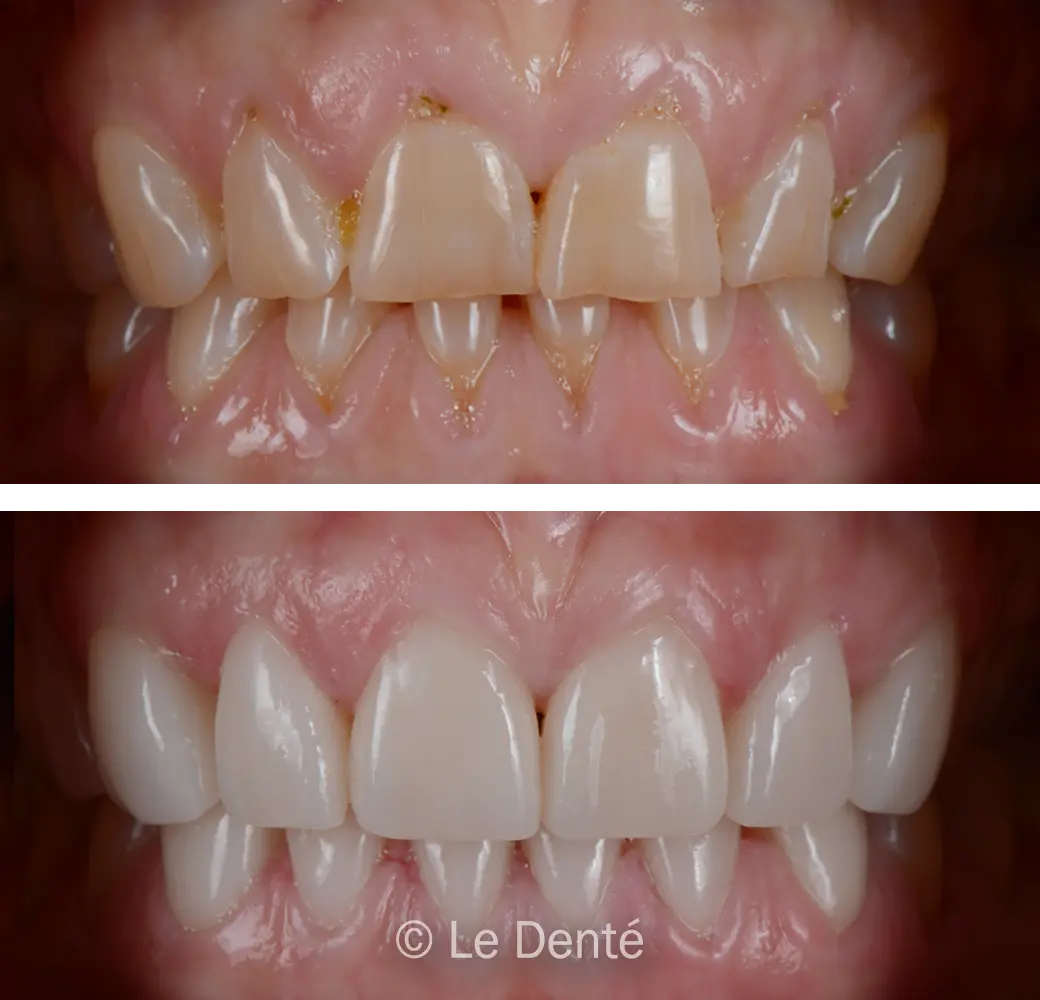
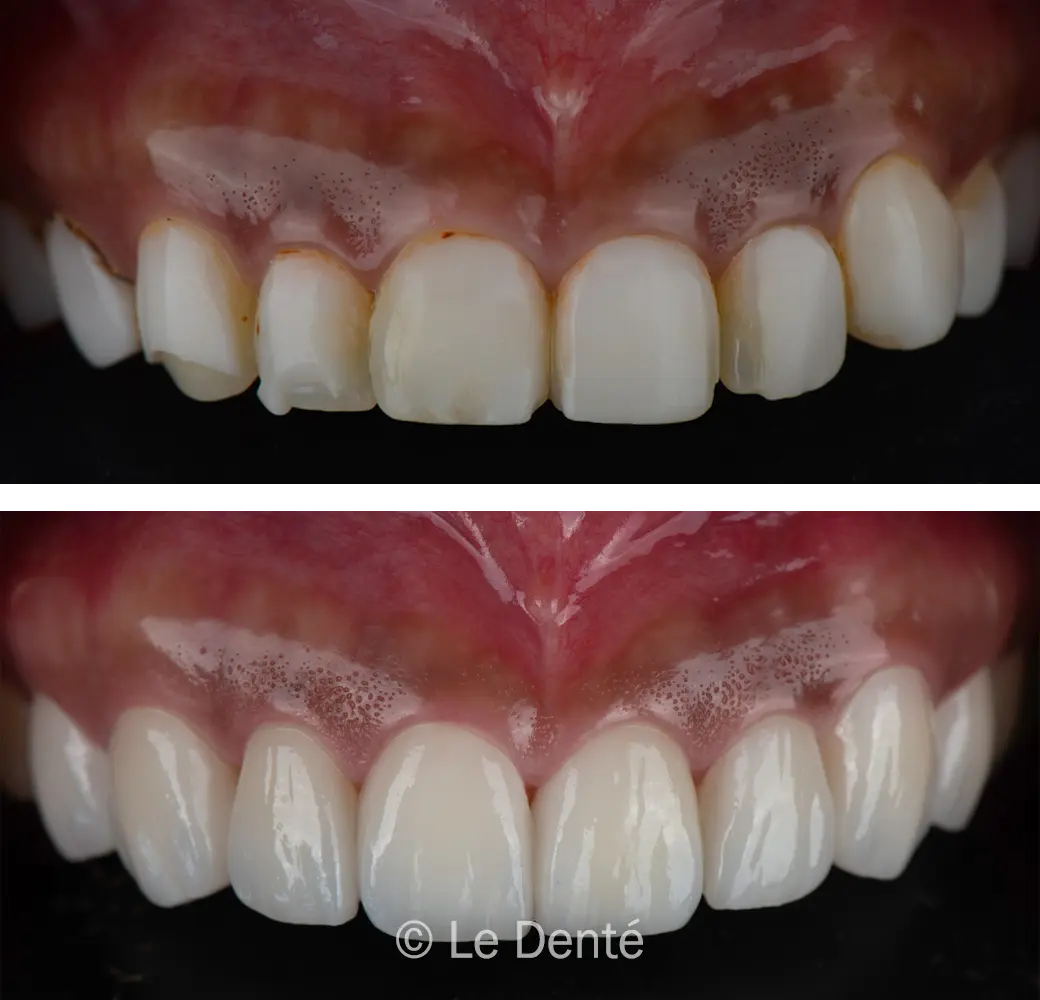
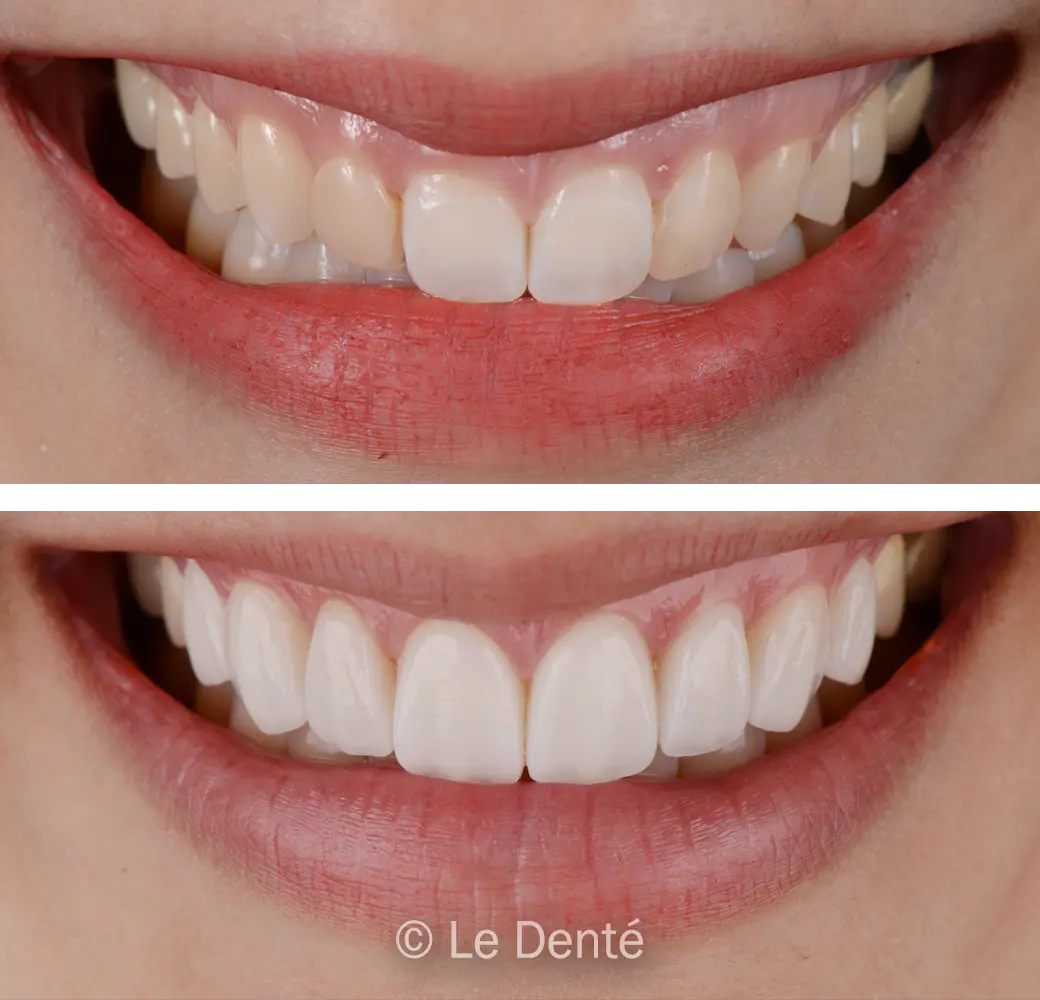
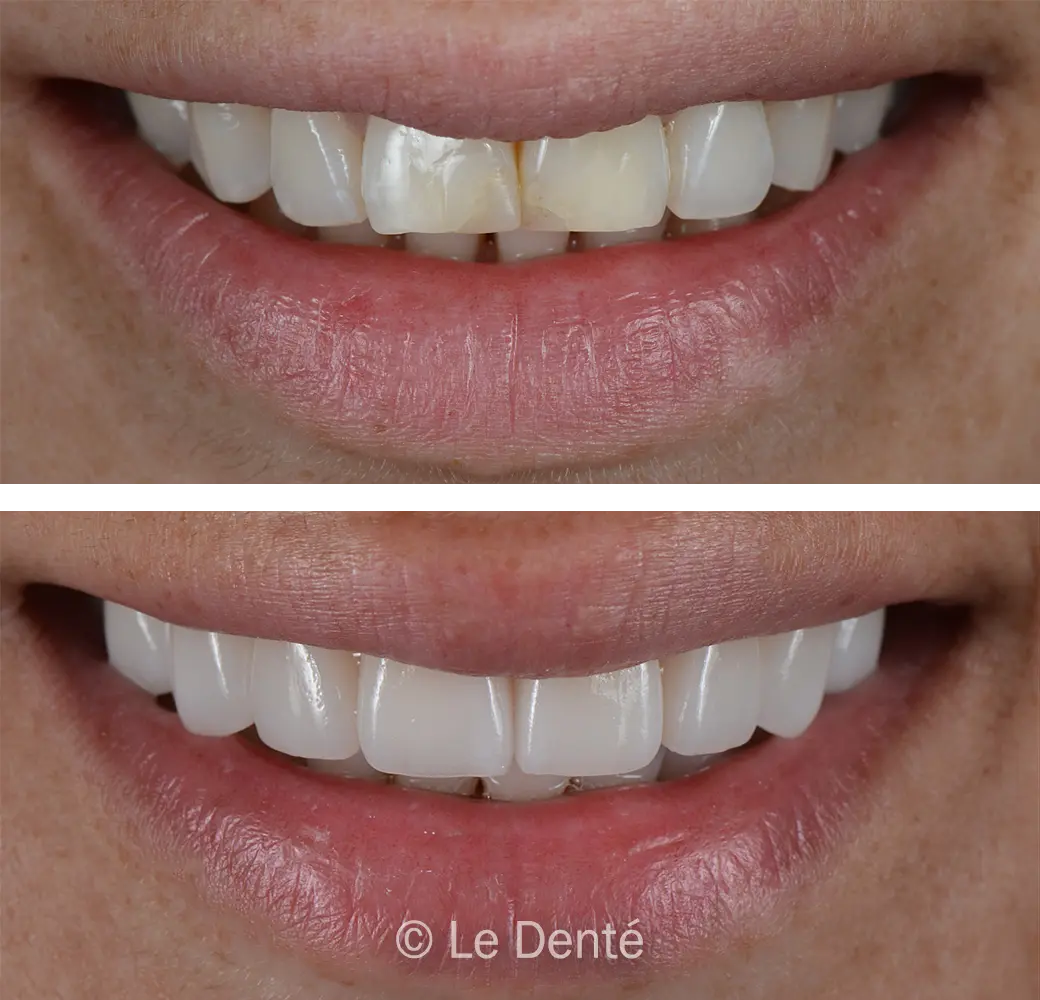
Transforming Smiles
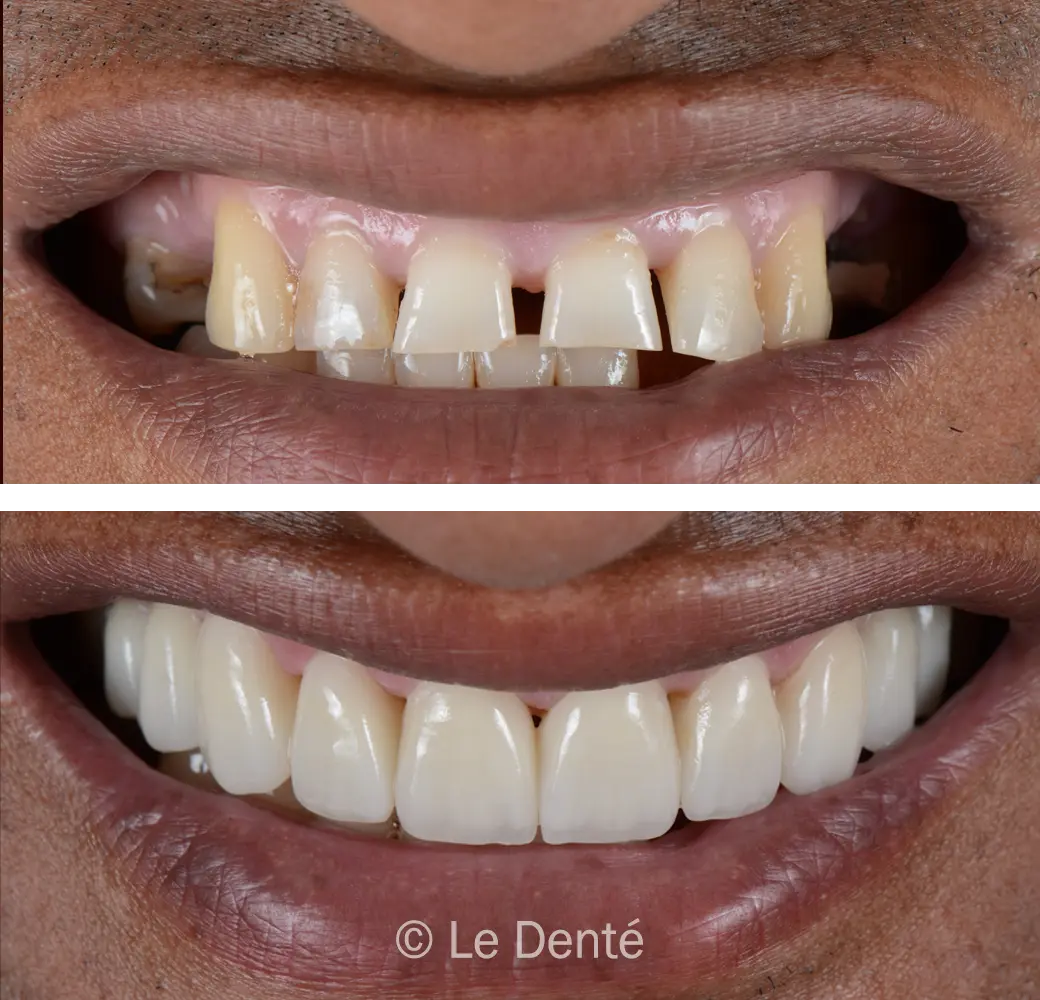
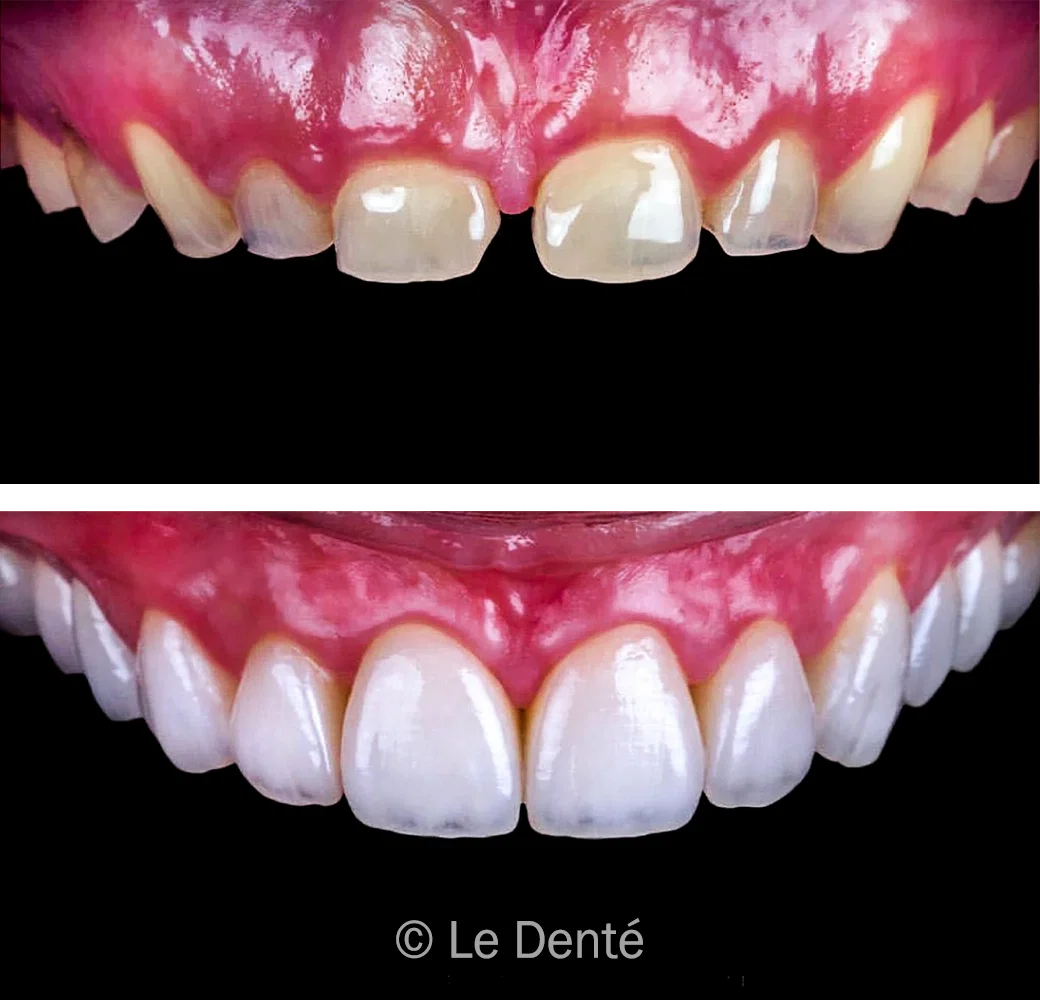
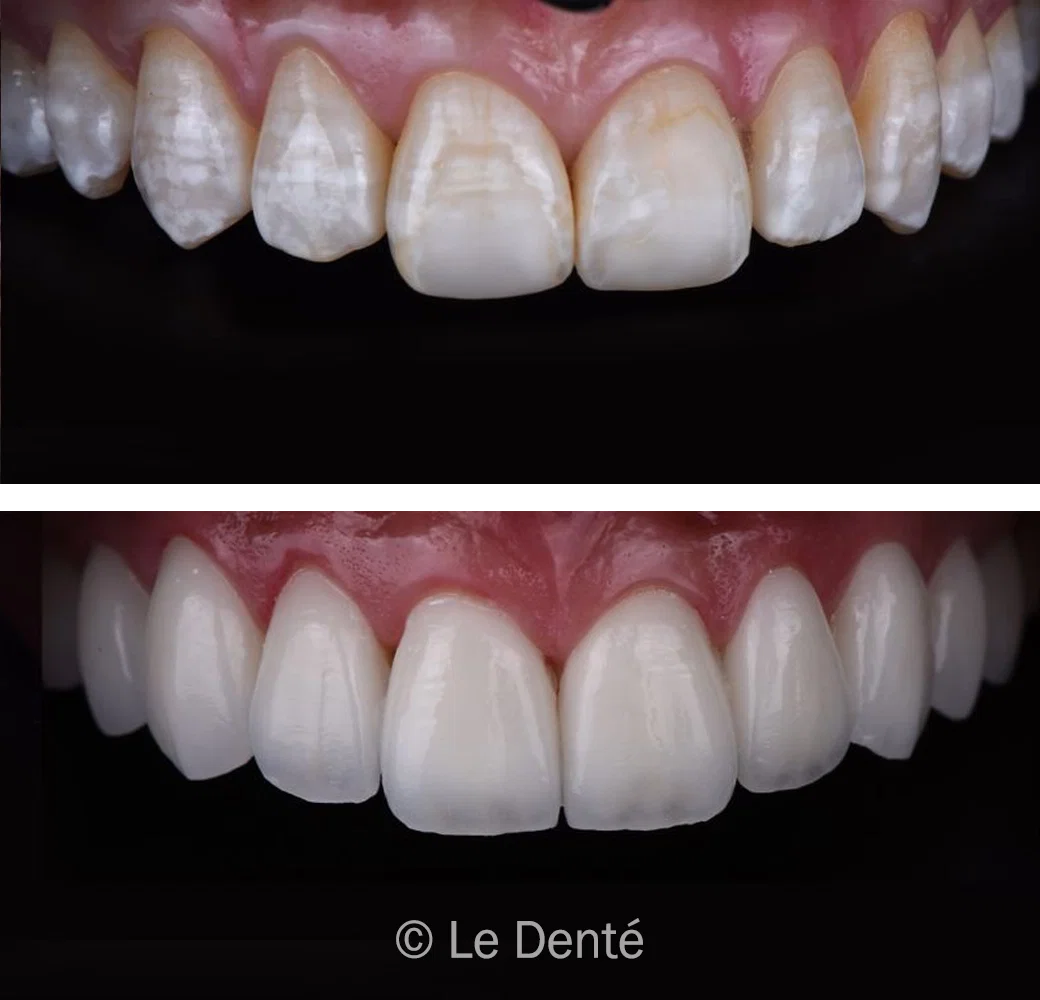
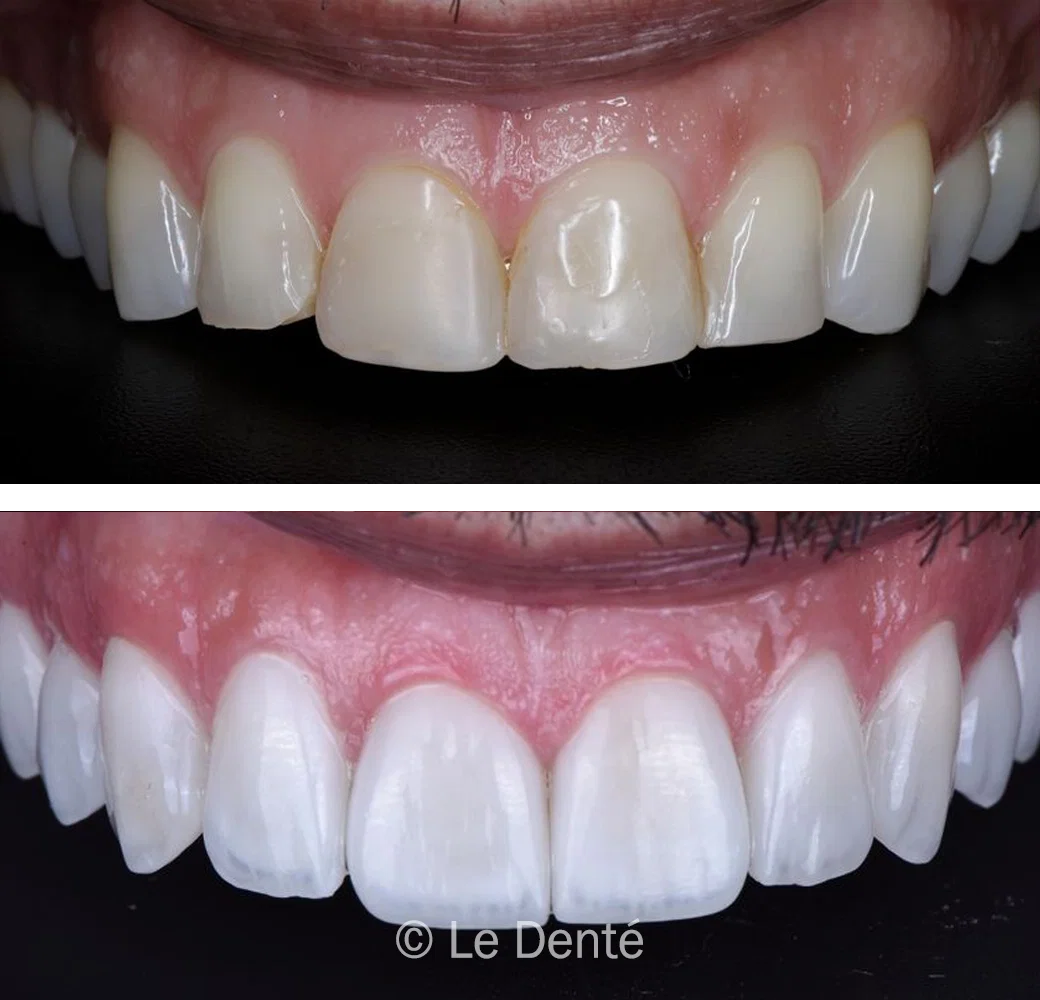
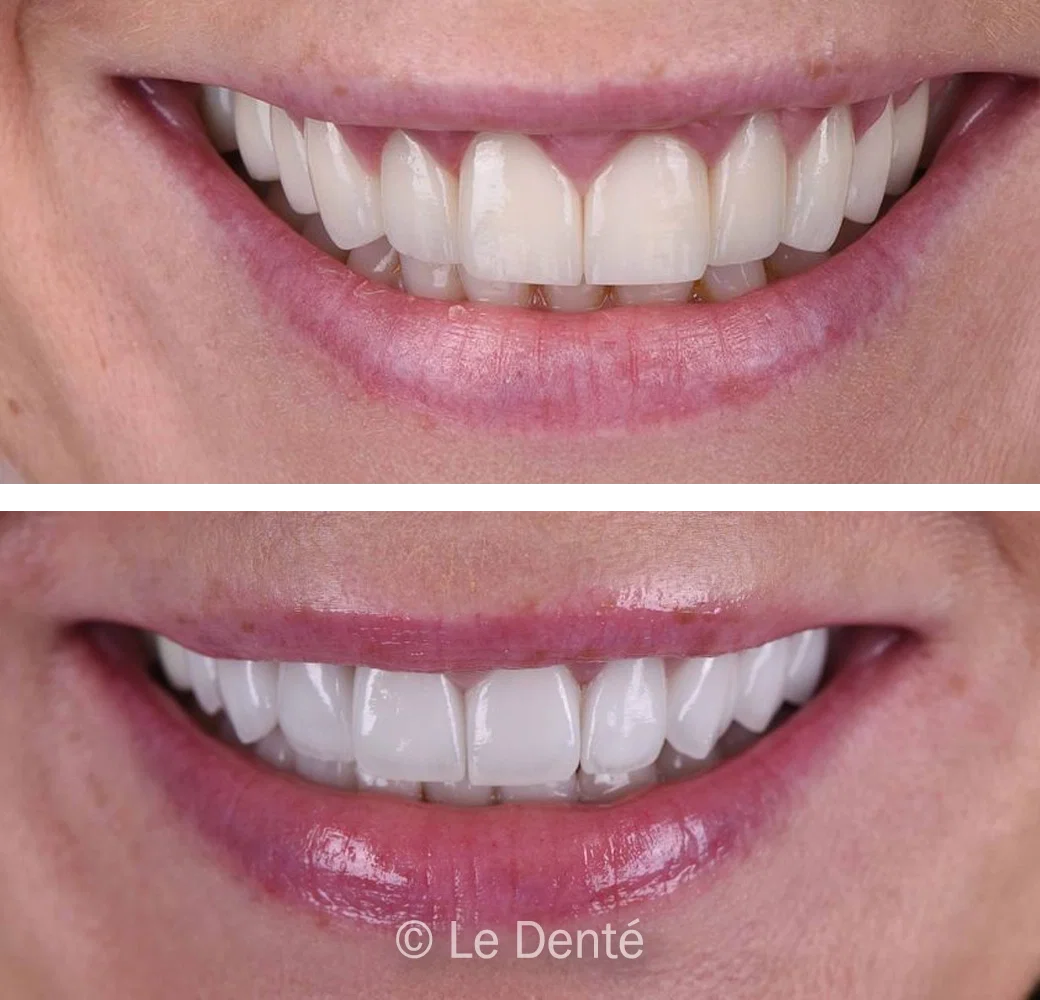
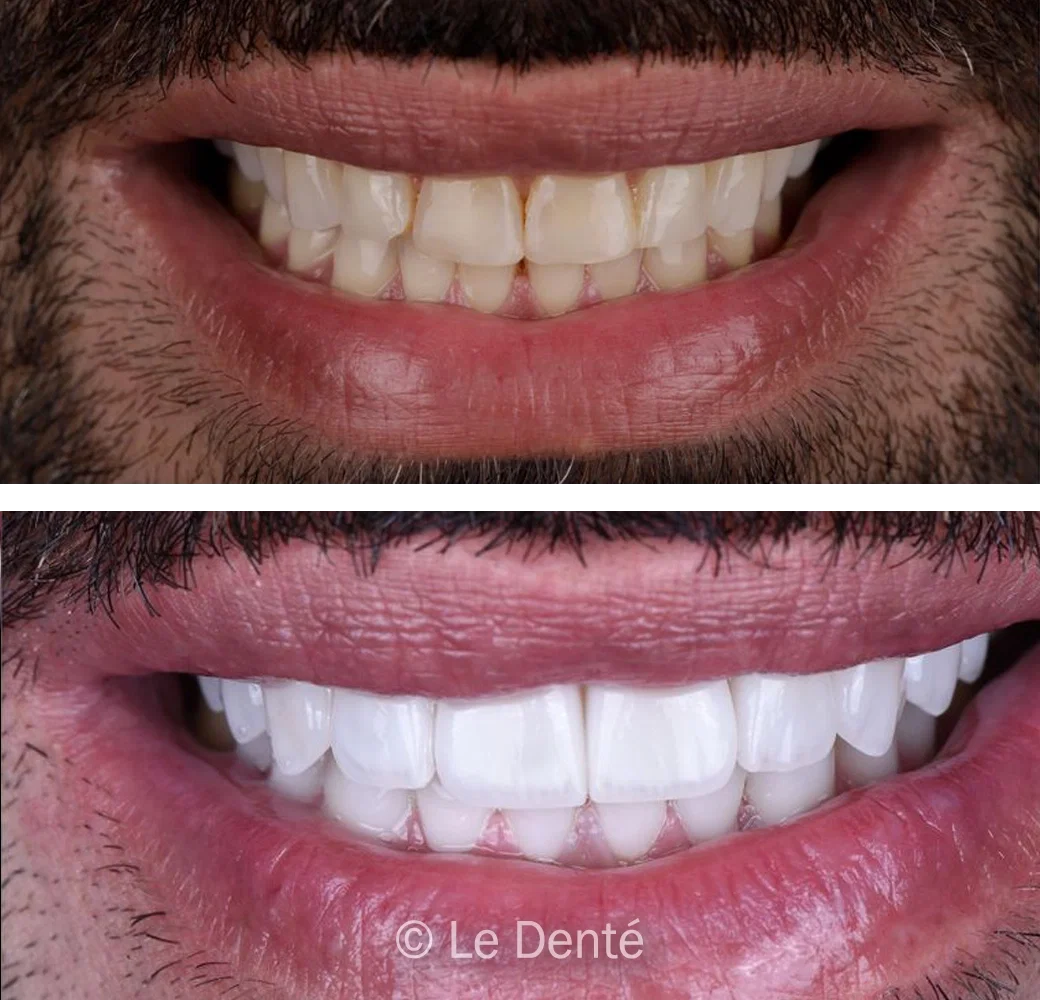
Before & After Transformations That Speak for Themselves.