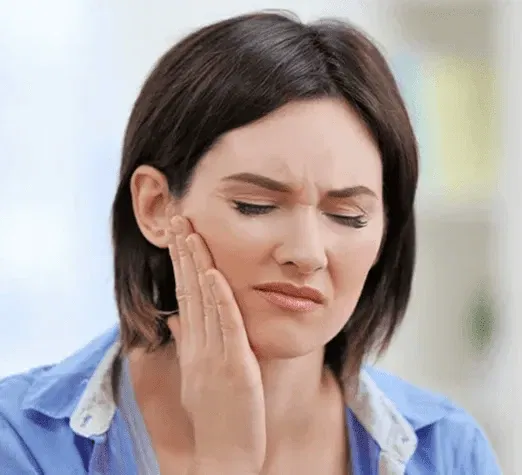
The Hidden Link Between TMJ and Chronic Headaches

The Hidden Link Between TMJ and Chronic Headaches

The Hidden Link Between TMJ and Chronic Headaches

Chronic headaches can be frustrating, disruptive, and difficult to trace back to a single cause. They steal energy, disrupt sleep, and make even small tasks feel heavy. If you’ve tried pain killer, lifestyle fixes, and migraine therapies without much improvement, there’s a chance the root cause is closer to your jaw than you think. The temporomandibular joint (TMJ) — the hinge that connects your jaw to your skull – can create multiple issues of muscle tension and nerve irritation that show up as persistent head pain.

This article explains how that happens, what to watch for, and the most effective, evidence-based paths to relief recommended by leading TMJ specialists in Dubai.

Why Can TMJ Cause Headaches?

The TMJ sits just in front of each ear and works with a complex network of muscles, ligaments, and nerves to let you chew, speak, and swallow. When the joint or the muscles around it become strained, inflamed, or misaligned, that local problem doesn’t always stay local.

Two biological factors explain the connection:

  1. Shared nerve pathways. The trigeminal nerve is the brain’s main sensory line for the face and head. Irritation near the TMJ can “send” pain signals along those same pathways, so the brain interprets pain as coming from the temple, forehead, or eye region rather than from the jaw itself. This referred pain is a major reason TMJ-related headaches are frequently misdiagnosed.
  2. Muscle tension and central sensitization. When jaw muscles are overactive from grinding, clenching, or a bite problem, tension spreads upward into the muscles of the head, neck, and shoulders. Over time, constant input from these sore muscles can heighten the nervous system’s sensitivity to pain (central sensitization), making headaches more frequent and harder to treat.

Signs That Point to TMJ-Related Headaches

Not every headache that feels like pressure or an ache near the temples is TMJ-related. But certain symptoms, especially when they appear together, raise suspicion:

  • Jaw noises: Clicking, popping, or grinding sounds when you open or close your mouth.
  • Restricted movement: Trouble opening wide or a jaw that locks or shifts to one side.
  • Pain that radiates to the temple, behind the eyes, or across the forehead.
  • Ear symptoms: Fullness, ringing, or pain in or around the ear without an infection.
  • Facial muscle soreness: Tenderness in the cheeks, jaw angles, or along the jawline.
  • Neck and shoulder tightness: Tension in these areas often accompanies TMJ dysfunction.

If your headaches get worse during stressful periods when you might clench your teeth, these patterns are strong clues that the TMJ deserves attention. The American Migraine Foundation and clinical diagnostic guidelines list similar trigger patterns and signs for headaches attributed to temporomandibular disorders.

How Specialists Diagnose TMJ-related Headaches

A clear diagnosis begins with a thorough history and a hands-on exam. Here’s what an experienced clinician typically does:

  1. Medical and symptom history. The clinician will ask about headache patterns, tooth grinding or clenching, previous jaw trauma, sleep quality, and factors that worsen or relieve pain.
  2. Physical exam. This includes watching jaw movement, listening for joint noises, checking bite and alignment, and palpating muscles for trigger points and tenderness.
  3. Functional tests. Clinicians may assess how chewing, jaw opening, or sustained mouth opening influences pain to see if symptoms reproduce.
  4. Imaging to assist treatment planning. Targeted imaging is used to map anatomy and guide dental or surgical decisions. A Panoramic X-ray provides a broad overview of the teeth and jaws, CBCT (cone-beam CT) gives precise 3D bone detail for implant or surgical planning, and MRI is employed selectively to evaluate soft-tissue structures like the joint disc.
  5. Ruling out other causes. Because migraine, cluster headache, sinusitis, and cervical spine issues can mimic TMD symptoms, a TMJ specialist will often coordinate care with neurology, ENT, or dentistry to isolate the cause.

At Le Denté, Dr. Rashida Juzar Ali—American Board-certified in dental sleep medicine and an airway-focused pioneer in the UAE connects TMJ, headaches, and sleep to deliver relief. As a trusted airway dentist in Dubai, she uses a comprehensive, science-based approach to diagnose root causes and deliver long-lasting relief.

Treatment That Works

The most successful TMJ treatment plans are multimodal and staged: start with low-risk, conservative care and progress only if necessary. This approach minimizes unnecessary interventions while addressing the mechanical and neurologic contributors to pain.

First-line (Conservative) Treatments

  • Oral appliances (splints/orthotics): Custom night guards or stabilizing orthotics (splints) are removable devices designed to fit your bite. They reduce load on the joint, protect teeth from grinding, and help relax overactive jaw muscles. Splints/orthotics often help many patients, especially those with muscle-driven TMD. They’re a common, low-risk first step.
  • Targeted physical therapy: Jaw exercises, manual therapy, posture correction, and sensory motor retraining can improve mobility; reduce muscle tension, and lower headache frequency. Multiple reviews show exercise-based rehab provides meaningful relief for many patients.
  • Myofunctional therapy: Retrain tongue posture, safer swallowing patterns, and nasal breathing — so the jaw muscles aren’t constantly tense. A trained therapist teaches simple exercises you practice regularly; over time, this reduces clenching or grinding and often eases related headaches.
  • Behavioral and stress management: Because clenching and grinding are often stress-driven, cognitive-behavioral strategies, relaxation training, and sleep improvement are powerful adjuncts. Biofeedback can also reduce nocturnal bruxism in some people.
  • Medications: Short courses of anti-inflammatory, muscle relaxants, or low-dose neuropathic pain agents can help during flares. These are usually adjuncts, not long-term solutions.
  • Lifestyle changes: Avoiding hard or chewy foods, practicing relaxed jaw posture, and improving ergonomics and sleep hygiene reduce mechanical load on the TMJ.

Second-line and Advanced Options

  • Dental/orthodontic interventions: Correcting bite issues or uneven occlusion can help in cases where tooth alignment contributes to joint strain.
  • Surgery: Surgery is rarely required. It may be considered only when structural damage or internal derangement causes persistent, severe pain that does not respond to conservative treatments. In such cases, procedures like arthroscopy or open joint surgery can be performed by a Maxillofacial Surgeon..

A personalized, conservative-first plan gives most people substantial improvement in both headaches and jaw function.

A Practical Roadmap: What To Do If You Suspect TMJ-related Headaches

  1. Track your symptoms. Note when headaches occur, what you were doing before they started, and any jaw or ear symptoms. This helps clinicians spot patterns.
  2. Start conservative self-care. Soft diet for a few weeks, avoid gum, practice gentle jaw stretches, and apply warm compresses to sore muscles.
  3. See a qualified clinician. A neuromuscular dentist with specialization in TMJ can provide the proper evaluation and request imaging only when truly necessary. Choosing a clinic that integrates dental care, physical therapy, and pain management expertise, such as Le Denté, can help ensure accurate diagnosis and a tailored treatment plan.
  4. Be open to a multimodal approach. Combining splints, myofunctional therapy, and behavioral strategies often produces better outcomes than any single therapy alone. Recent research supports multimodal and individualized care plans.

Headaches don’t have to be a permanent part of life. When jaw issues drive severe headaches, targeted care can make a big difference. If your headaches come with jaw or ear symptoms, tracking those details and seeing a TMJ expert at Le Denté can move you from guessing to a clear, effective treatment plan.

FAQs

Can TMJ really cause chronic headaches?

Yes. TMJ dysfunction can produce referred pain and muscle tension that presents as chronic headaches. When the trigeminal nerve and jaw muscles are involved, headaches can become frequent and persistent.

What are the symptoms of TMJ-related headaches?

Look for jaw clicking or locking, limited opening, pain in the temples or behind the eyes, ear fullness or ringing, and tight facial or neck muscles that worsen with jaw activity.

How do I know if my headaches are from TMJ or migraines?

Migraines commonly include nausea, light or sound sensitivity, and a throbbing quality. TMJ headaches often come with jaw symptoms and pain linked to chewing or clenching.

What triggers TMJ headaches?

Common triggers are teeth grinding, jaw clenching (especially during sleep or stress), poor posture, chewing tough foods, and bite misalignment. Managing these triggers can reduce headache frequency.

What is the difference between a TMJ headache and a tension headache?

Both feel like pressure or tightness, but TMJ headaches usually include jaw-related signs (clicking, limited movement, ear symptoms). Tension headaches typically arise from neck or scalp muscle strain without direct jaw involvement. A focused exam clarifies the difference.

Final Thoughts

TMJ-related headaches are common, treatable, and often missed. If your headaches are consistent alongside jaw symptoms or worsen with chewing and stress, don’t just reach for another painkiller; get a targeted assessment. With the right diagnosis and a staged, conservative treatment plan, many people regain comfort and stop letting headaches dictate their day.
With 17+ years in neuromuscular dentistry, Dr. Rashida delivers evidence-based TMJ care, splints, myofunctional therapy, and bite rehabilitation, helping headache patients regain jaw function, better sleep, and comfort.
If you want a guided evaluation, consider consulting an orofacial pain specialist or a multidisciplinary TMJ clinic. Clinics like Le Denté combine dental expertise with rehabilitative care to create individualized treatment plans that address both the jaw and the headaches it may be causing.