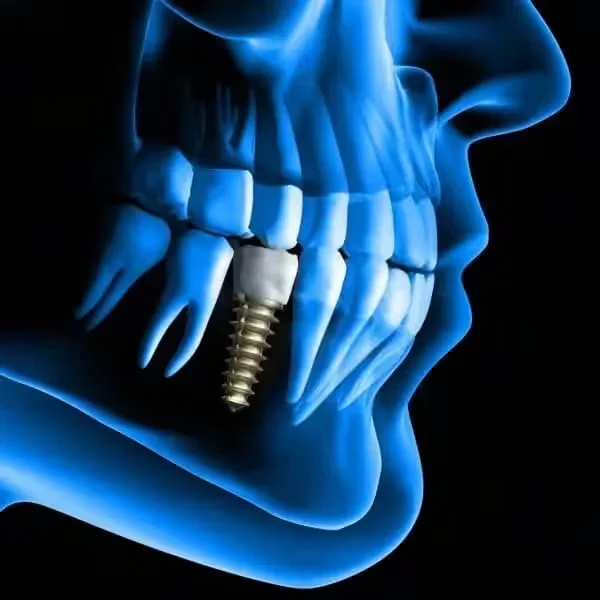
What to Expect After Dental Implant Surgery: Day-by-Day Healing Guide
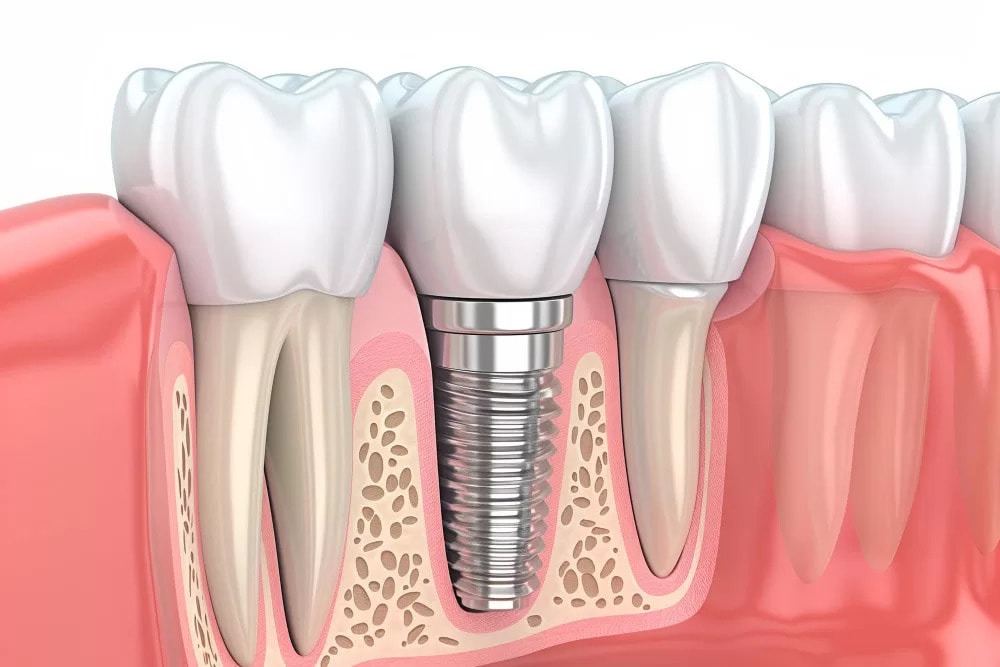
What to Expect After Dental Implant Surgery: Day-by-Day Healing Guide
A greater number of individuals than ever before are choosing dental implants to restore the aesthetic appearance of their smile, enhance the natural look and feel of their teeth, prevent bone loss, restore bite force, and ultimately, improve the quality of their lives.
While dental implants are less invasive than other oral surgeries, after your dental implant is completed, you will need to do a variety of things to preserve your new implants as the healing process begins.
We’ve created an accessible guide that highlights what you can expect during the healing process.
How Long Do Dental Implants Take to Heal?
As a general rule of thumb, the vast majority of patients recover completely within 2 weeks. However, the area where the implant was inserted may feel slightly tender to the touch until it is fully healed, which is typically 3–6 months for the implant to heal and bond to the jawbone.
Your recovery time will be longer if you need a bone graft or if several teeth need to be removed or implanted. Remember that every oral health concern is unique, and every individual heals at a different pace.
What to Expect After Having a Dental Implant?
Once you have chosen dental implants to provide your smile with a better look and feel, you must familiarize yourself with the healing process so that you can decide whether this is the right option for you.
This is what to expect during the dental implant healing stages.
Initial Healing Phase (0–2 Weeks)
At this time, experiencing some bruising and swelling after implant surgery is not unusual. Most patients find that placing a cold compress on the outside of the mouth is helpful for swelling.
You can start eating and drinking hot foods again after the first 24 hours, but continue to have softer foods like soup, pasta, and fish, and skip crunchy or chewy foods. Improvement will be most noticeable in the first two weeks.
Osseointegration Phase (2–4 Months)
After 2–4 months, your dental implants will be healing well, and most patients can get back to a normal and happy life with their implants. Your dental practitioner will now ask you to visit again to check that your implants are settling well and everything is as it should be.
Final Restoration Phase
After the implant is fully integrated into the bone, the last step is the restoration phase, in which your dentist secures a dental crown, bridge, or denture to the implant.
This technique consists of taking an impression of the implant and the adjacent teeth, which is used to fabricate the final restoration.
What Determines the Dental Implant Recovery Time?
Various factors may affect the recovery period of dental implant surgery, such as:
● The number of implants: Multiple implants may require longer healing, though many patients prefer completing treatment in one phase.
● The location of the implants: Lower jaw implants often heal faster than upper jaw implants.
● Bone grafting: Grafts require additional healing time and may delay implant placement.
● Health and hygiene habits: Smoking, alcohol use, and poor oral hygiene can slow recovery.
Overall health, age, genetics, and the body’s natural healing response all influence recovery speed.
Caring Tips During Dental Implant Healing Phases
Aftercare of dental implants is crucial to achieving optimal results.
● Avoid strenuous physical activity during the first few days.
● Avoid warm food and beverages for the first 24 hours.
● Do not touch the surgical area with fingers or tongue.
● Avoid alcohol.
● Avoid smoking for at least two weeks.
● Do not brush directly over the surgical area initially.
● Limit denture use over the surgical site during the first week.
● Get adequate rest after surgery.
Your dentist will guide you through all required post-implant care steps.
How to Know if It Is Restoring Correctly
Swelling should begin to subside within a few days. Persistent pain, fever, or signs of infection should be evaluated immediately by a qualified dental professional.
Most patients feel largely recovered after two weeks, though full bonding between the implant and bone typically takes 3–6 months.
Single Tooth Implant
A single-tooth implant generally shows strong healing within 6–12 weeks as the implant integrates with the jawbone.
Full Mouth Implants
Healing for full-mouth dental implants typically takes four to six months.
Conclusion
Dental implants are an excellent long-term option for replacing missing teeth, offering durability, function, and a natural appearance. Proper care and patience during healing are essential for lasting success.
For expert guidance and implant care, visit
Dental Clinic
.