Does Your Child Snore? Why It Could Be Sleep Apnea — and Not Just ‘Cute’
Does Your Child Snore? Why It Could Be Sleep Apnea — and Not Just ‘Cute’
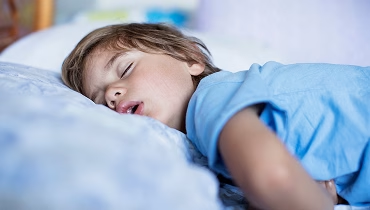
Yes, hearing your child snuffle or snore lightly during sleep can seem harmless—even cute. But persistent snoring in children is not always innocent. Child snoring causes can go beyond a blocked nose and may signal pediatric sleep apnea, a condition affecting up to 6% of children worldwide.
Sleep-disordered breathing in children is more common than many parents realise. While temporary snoring can occur during colds, consistent snoring combined with unusual sleep behaviours deserves closer attention.
Pediatric Sleep Apnea in Children: What It Really Means
According to the American Academy of Pediatrics, pediatric sleep apnea is a sleep-related breathing disorder where the upper airway becomes partially or completely blocked during sleep, interrupting normal breathing patterns.
When throat muscles relax too much during sleep, the airway narrows or collapses. This causes repeated breathing pauses, gasping, or snorting sounds, leading to reduced oxygen levels and fragmented sleep throughout the night.
Common Signs and Symptoms of Pediatric Sleep Apnea
Early signs of sleep apnea in children are often mistaken for behavioural or developmental issues. Key warning signs include:
- Snoring three or more nights per week
- Pauses in breathing followed by gasping or snorting
- Restless or sweaty sleep
- Mouth breathing during sleep
- Sleeping with the neck extended or upright
- Bedwetting
- Enlarged tonsils or facial structural imbalance
- Morning headaches or poor appetite
- Behavioural concerns such as hyperactivity, irritability, or learning difficulties
Unlike adults, children with sleep apnea often appear energetic during the day while struggling with focus, memory, and emotional regulation.
Main Causes of Pediatric Sleep Apnea and Snoring
The most common cause of sleep-disordered breathing in children is enlarged tonsils and adenoids. However, several additional factors may contribute:
- Narrow jaws or underdeveloped airway structures
- Dental and bite problems such as crowding or jaw misalignment
- Tongue-tie and low tongue posture
- Chronic mouth breathing
- Obesity (less common than in adults)
- Genetic facial structure patterns
Conditions such as teeth grinding, sleep talking, or frequent waking may also indicate airway obstruction during sleep.
Why Pediatric Sleep Apnea Is More Serious Than It Appears
Untreated pediatric sleep apnea can affect heart health, brain development, and long-term growth. Interrupted breathing reduces oxygen delivery and places strain on the cardiovascular system.
Equally concerning are the effects on learning and behaviour. Children with untreated airway issues often experience memory problems, reduced academic performance, and may be misdiagnosed with ADHD or behavioural disorders.
Pediatric Sleep Apnea Diagnosis: What Parents Should Expect
If you suspect sleep issues, an airway-focused dental evaluation is an excellent starting point. At Le Denté, assessment includes jaw growth, tongue posture, airway size, and bite function—factors often missed in routine exams.
Diagnosis may involve overnight sleep studies when necessary, supported by dental airway screening and functional analysis to identify structural contributors.
Pediatric Sleep Apnea Treatment Options in Dubai
Sleep apnea treatment in children is highly effective when addressed early. Treatment depends on the underlying cause and may include:
- Removal of enlarged tonsils or adenoids when indicated
- Orthodontic airway development using Orthodontics Treatment
- Jaw and airway support using Invisalign Treatment in older children
- Custom oral appliances to maintain airway space
- Supportive Gum Treatment when inflammation affects breathing
In advanced cases, stabilisation of bite and airway function through Full Mouth Rehabilitation Treatment may be required later in adolescence.
When to See a Dentist for Child Snoring and Sleep Issues
If your child snores regularly, breathes through the mouth, struggles with attention, or shows facial narrowing, early evaluation is critical. Airway-focused dentistry identifies problems before they become permanent.
At Le Denté, we combine airway diagnostics with preventive dental care, including Cosmetic Dentistry planning when facial development impacts breathing.
Helping Children Breathe Better, Sleep Deeper, and Grow Healthier
That “cute” snore may be your child’s signal for help. Addressing breathing early can improve sleep, mood, focus, and overall health—often changing a child’s life trajectory.
Le Denté provides airway-focused pediatric dental care designed to support healthy growth, restful sleep, and confident development—because breathing well is the foundation of growing well.