Mouth Breathing vs Nasal Breathing in Children: What Every Parent Should Know
Mouth Breathing vs Nasal Breathing in Children: What Every Parent Should Know
The lungs are located inside a person’s chest, or thoracic cavity, on either side of the heart. A massive muscle located below the lungs, the diaphragm powers the process of breathing, also known as respiration. The muscle contracts in a rhythmic pattern to help bring air into the lungs from the mouth or nose.
To inhale, the diaphragm relaxes and flattens. This enlarges the thoracic cavity to reduce pressure within the lungs. This pressure reduction allows air to flow into the lungs during inhalation or inspiration.
When the lungs exhale, the diaphragm also relaxes. It decreases the size of the thoracic cavity and increases pressure in the lungs. Both of these actions together push air out of the lungs.
The circulatory system consists of the body’s heart and blood vessels. The circulatory system transports oxygen and other nutrients from the lungs to other body parts.
Breathing Problems
Some of the more frequent causes of this can include:
- Congenital abnormalities or airway obstruction
- Lung conditions such as pneumonia or asthma
- Heart disease
- Allergies
- Anxiety disorders
Individuals without these conditions may also experience shortness of breath due to poor breathing habits.
Breathing through the nose is essential because it warms, humidifies, and filters the air before it reaches the lungs. Proper breathing should originate from the diaphragm and abdomen rather than the chest.
Mouth breathing may be necessary during intense physical activity or nasal congestion, but outside these situations, nasal breathing is far healthier.
An active lifestyle and stress-reducing practices such as meditation can promote better breathing habits and lung health.
Research shows that children who frequently breathe through their mouths are more likely to develop speech and developmental challenges. Speech therapy and breathing retraining may support improvement.
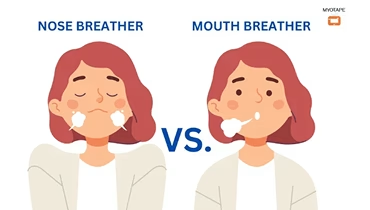
What is the Difference Between Mouth Breathing and Nose Breathing?
Nasal breathing offers far greater benefits than mouth breathing. The nose filters harmful particles, humidifies air, and helps protect the respiratory system from infection.
Chronic mouth breathing, on the other hand, can lead to:
- Tooth decay and gum disease
- Teeth misalignment
- Swallowing difficulties
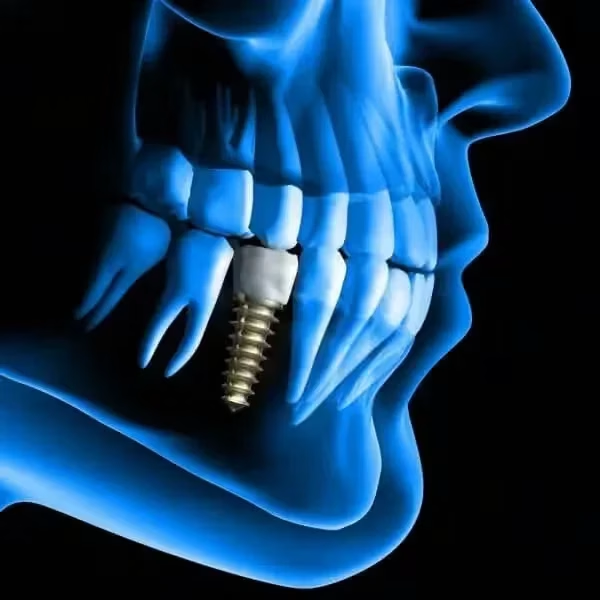
- Changes in jaw and facial structure
Unfiltered, cold air entering the lungs through mouth breathing can also worsen respiratory conditions such as asthma.
Physical Effects of Nose Breathing Vs. Mouth Breathing
Studies show that nasal breathing reduces the risk of hyperventilation during exercise and improves oxygen utilization.
Nasal breathing also releases nitric oxide, which supports blood circulation and brain function. Cognitive benefits were not observed during mouth breathing.
Psychological and Neurocognitive Impact of Mouth Breathing in Children
Cognitive Fatigue & Poor Focus
- Reduced oxygen delivery affects attention and focus.
- Children may appear restless or misdiagnosed with attention disorders.
Emotional Instability & Anxiety
- Disrupted oxygen balance affects emotional regulation.
- Sleep-related breathing issues are linked with anxiety.
Hyperactivity & Behavioral Challenges
- Poor sleep quality leads to impulsive behavior.
- The root cause is often inadequate oxygenation.
Self-Esteem & Social Confidence
- Facial changes can affect appearance and confidence.
Memory & Learning Difficulties
- Fragmented sleep affects memory and academic performance.
Sleep Disturbances & Mood Dysregulation
- Mouth breathing prevents deep restorative sleep.
Mouth Breathing in Children
Mouth breathing in children can interfere with growth hormone release and affect facial development. Long-term mouth breathing may alter jaw position and tooth alignment.
Common contributing factors include:
- Tongue-tie
- Lack of breastfeeding
- Low tongue tone
- Genetic predisposition
At Le Denté, a holistic and child-focused approach is used to identify and correct mouth breathing early, supporting healthy growth and development.
Most Asked Questions
Do people get more oxygen through the nose or the mouth?
Nose breathing allows better diaphragm engagement and oxygen absorption, making it more efficient.
How can someone stop mouth breathing?
Identifying the underlying cause is essential. Therapy may include breathing retraining, posture correction, or habit modification. Early intervention is key.
Why is it better to breathe through the nose?
Nasal breathing filters air, reduces infection risk, and improves oxygen delivery to the body.
Wrapping It Up
Nose breathing supports healthier lungs, better sleep, and proper facial development. Mouth breathing may be unavoidable during illness but should not be habitual, especially in children.
Why Early Intervention Matters for Your Child’s Breathing Habits
Early identification of mouth breathing can prevent long-term issues related to sleep, growth, and jaw development. Timely guidance makes a meaningful difference.
For expert evaluation and child-focused care, visit
Luxury Dental Clinic in Dubai
.